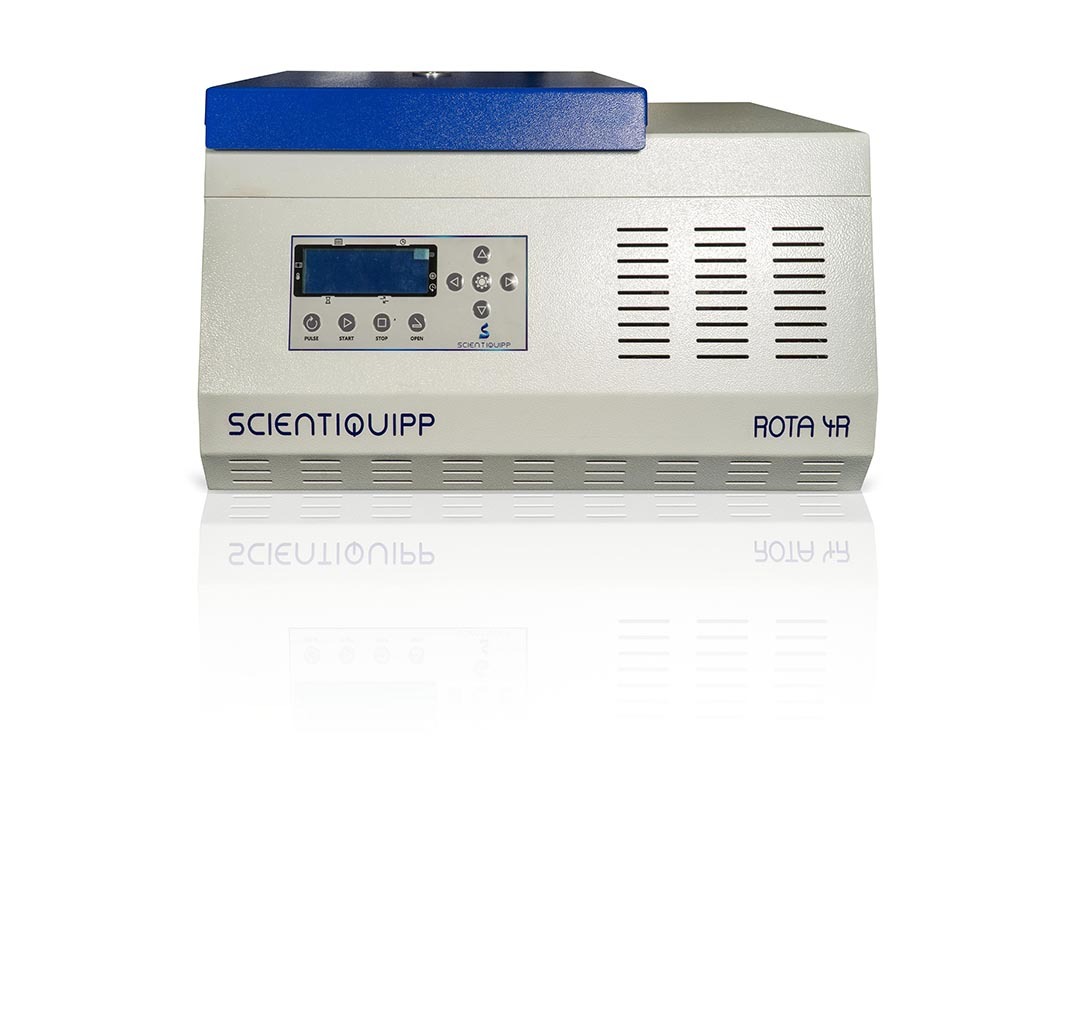
A centrifuge is a critical instrument for the laboratory, and often a significant investment. Therefore, when the time comes to add a new centrifuge or replace an older unit, it is important to make an informed decision. There is a good chance that your needs may have changed since the last time you purchased a centrifuge. Laboratory space comes at a premium, hence the overall instrument footprint is important, activity levels have increased substantially, with multiple users working around the clock. Perhaps you may want to try a new method.
With science and technology changing rapidly, it is wise to educate yourself about the wide range of centrifuge options now available in India and specially at Scientiquipp. This will help you select a centrifuge that will suit your needs currently and in future. Scientiquipp Pvt.Ltd | Mumbai; India
Match the centrifuge to your application
Evaluate your laboratory’s specific protocols and requirements. Different scientific disciplines demand distinct centrifugation capabilities. Clinical laboratories typically require instruments certified for diagnostic testing, while research facilities might prioritize versatility across multiple applications. Whether you’ll be processing blood samples, performing cell culture work, or conducting molecular biology procedures, this will narrow down the centrifuge models matching your needs.
The following questions can be used to determine the type of centrifuge that will best meet your needs:
-
What applications and protocols will the centrifuge be used to support?
-
How many tubes or samples must be processed in a run, shift, or day?
-
What type of rotor will be needed to support your application (i.e. fixed angle or swing-out)
-
Is flexibility important for you? (i.e. do you anticipate the need for a broad range of protocols or will you or will you be performing the same standardized protocol every single day?
-
What are the maximum and minimum G-force (relative centrifugal force, RPM and volume requirements?
-
What type of sample formats will the centrifuge need to support? (i.e. microplates, blood collection tubes, conical tubes)
-
How many people will be using the centrifuge?
-
The last and most important question is: What is your budget
Select the rotor and accessories that fit your sample volume and format.The volume and container formats of your typical samples directly influence the appropriate centrifuge and rotor category. Microcentrifuges excel at processing small volumes in PCR tubes or microtubes, and compact centrifuges can spin microplates, making them excellent for molecular biology applications. Medium-capacity benchtop models accommodate standard conical tubes (15-50 mL), commonly used in cell culture and general laboratory procedures. Large-capacity floor-standing models can spin large collection tubes, bottles, blood bags, or BioProcess Containers (BPC).
Floor Model Centrifuge or Bench-top centrifuge?
Centrifuges are classified as either floor standing or bench-top models. There are multiple platforms from which to select. The centrifuge you select is determined by the performance, protocols, availability of space, versatility, budget and after sales support. Scientiquipp’s general purpose centrifuges such as the ROTA 4R and the High performance ROTA 6R offer versatility and convenience, and can support a broad range of applications, making them a cost-effective solution for many laboratories. Benchtop platforms include general-purpose centrifuges, micro centrifuges, small clinical centrifuges, and high-speed models.
Whether you are looking for something versatile that your laboratory can grow into or a dedicated centrifuge for specific protocols, there is a Scientiquipp centrifuge to meet those needs.
Benchtop Centrifuges
These workhorse units (Figure 1) are the most common type of centrifuge found in the laboratory. Their versatility makes them extremely useful instruments for academia, research or industry. The Scientiquipp ROTA 6R offers a high capacity swing-out rotor with a capacity of 4x500ml for twenty tubes of 50mL or 48 tubes of 15ml as well as a fixed angle rotor with a capacity of 6x250ml at 10’000RPM or 15’540xg (RCF). This unit offers speed, volume, and versatility in a single unit to meet the needs of today and tomorrow.
The general-purpose centrifuges from Scientiquipp are typically used for:
Cell harvesting in cell culture, DNA/RNA research, FermentationPBMC’s, Protein purification, Food Testing, Molecular Biology, Microbiology, Cosmetic stability testing
Most of the Scientiquipp centrifuges can be equipped with a broad range of swinging-bucket, fixed angle and 96 microtiter well-plate rotors, making them an excellent fit in any multi-user laboratory work-flow and where RCF’s of up-to 32’198 x g (RCF) are sufficient.
Further considerations
Additional factors to consider include temperature control, laboratory space constraints, rotor versatility, and safety features.
Ready to explore in detail?
Our Centrifuge Buying Guide covers trending topics like connectivity, user experience, ergonomics, and long-term ownership costs, giving you a complete framework for confident decision-making.